HSC 2026 One-Day Conference
‘Humanitarian Justice & The State of the Humanitarian System’
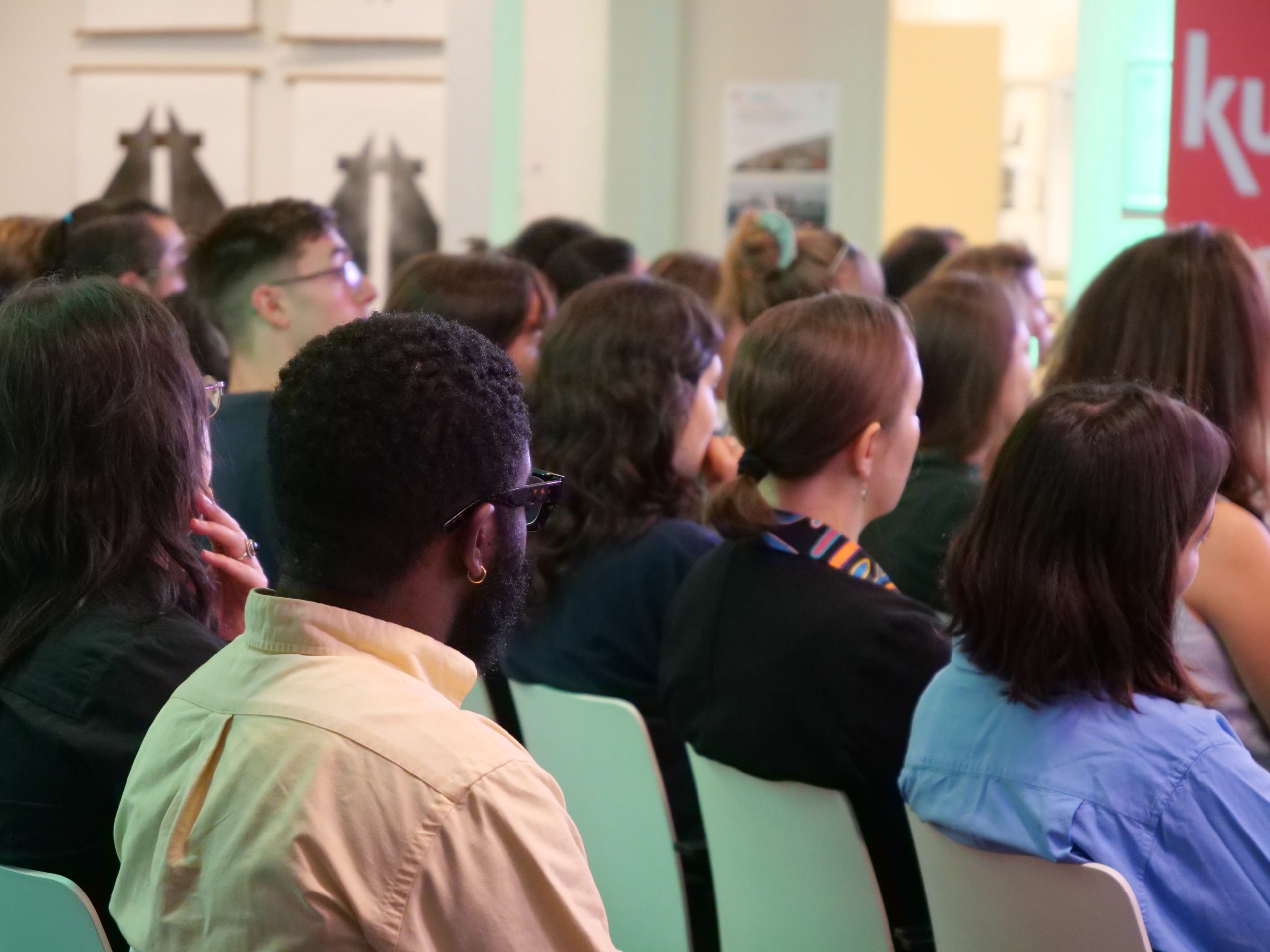
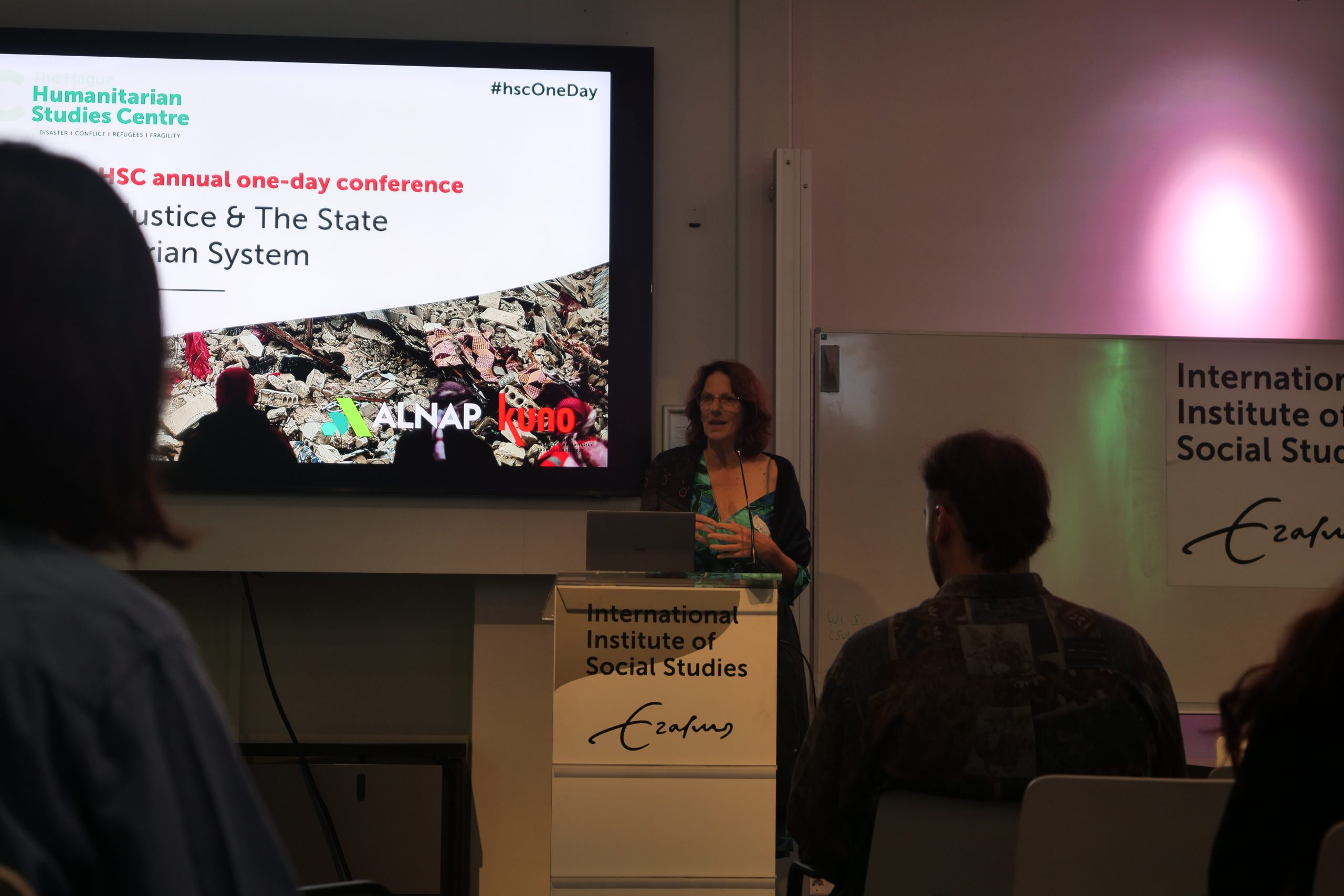
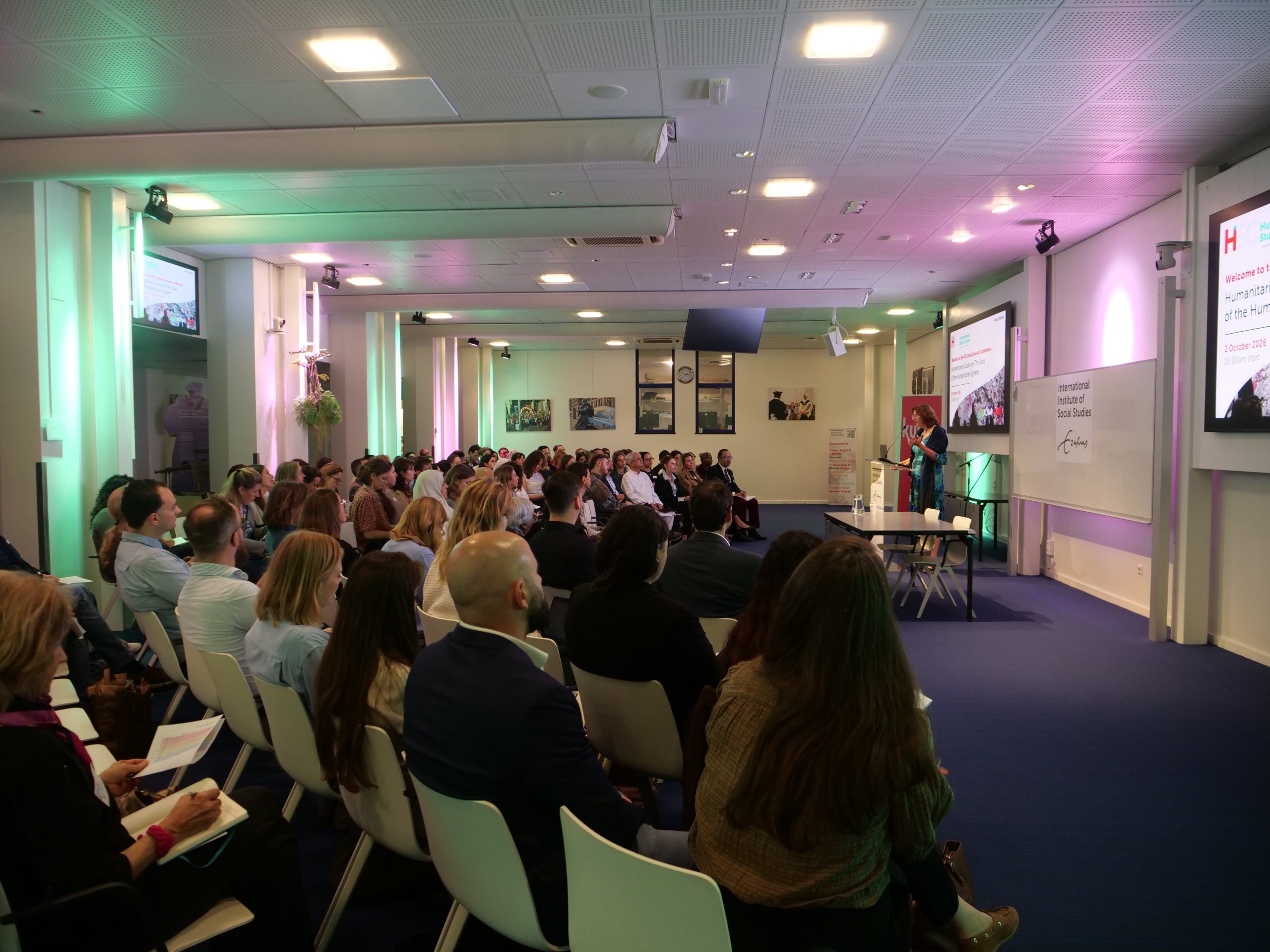
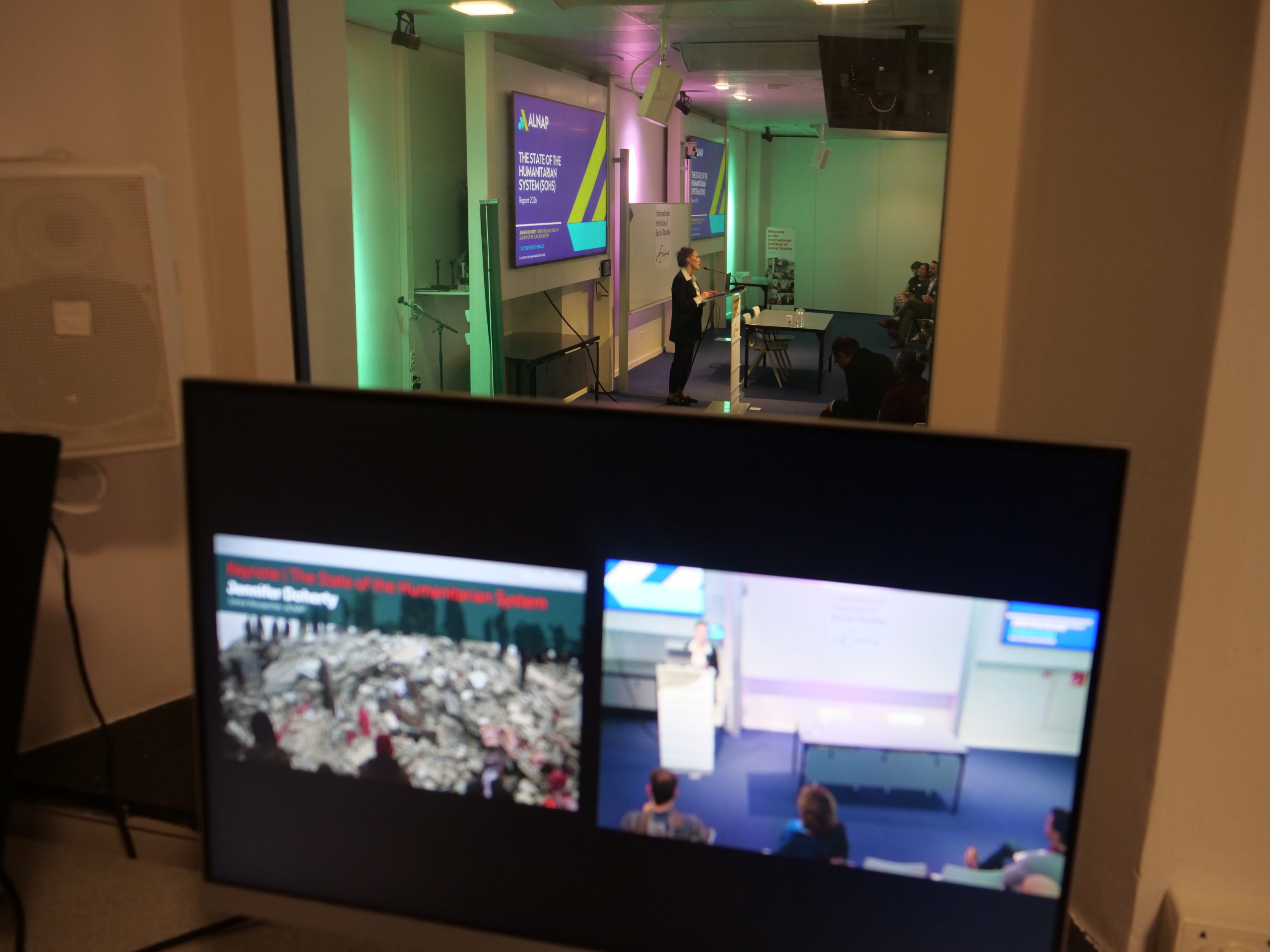
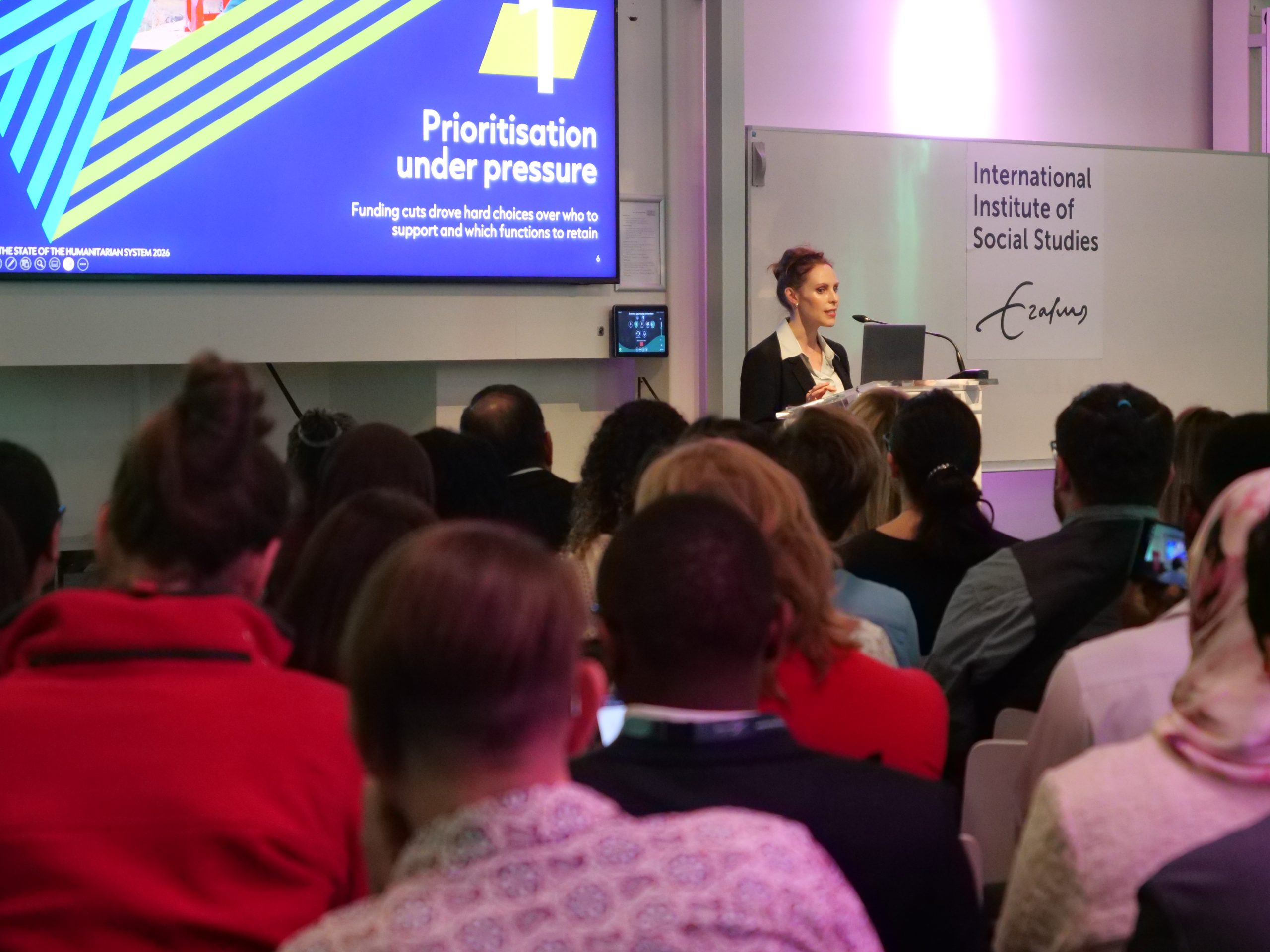
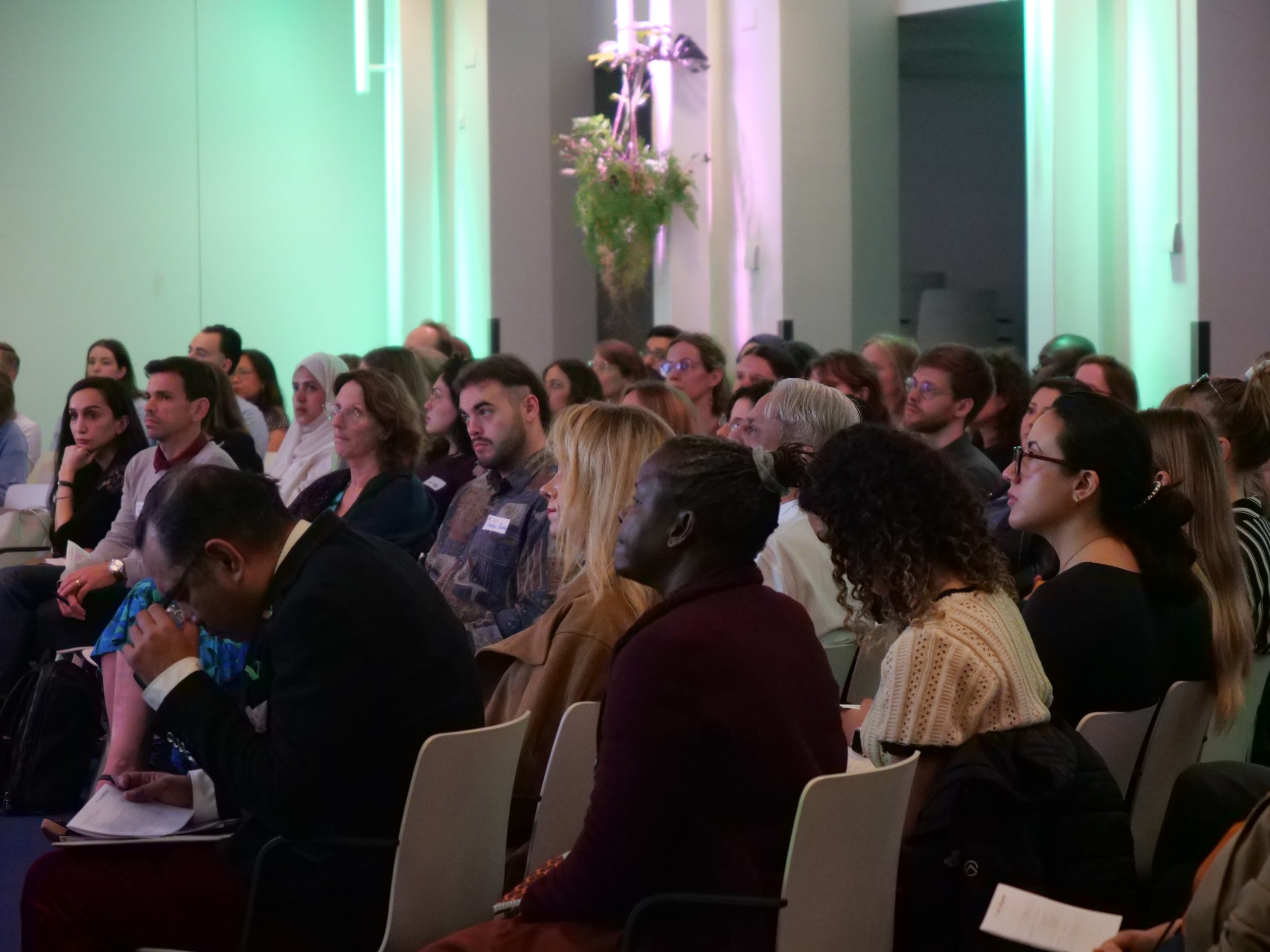
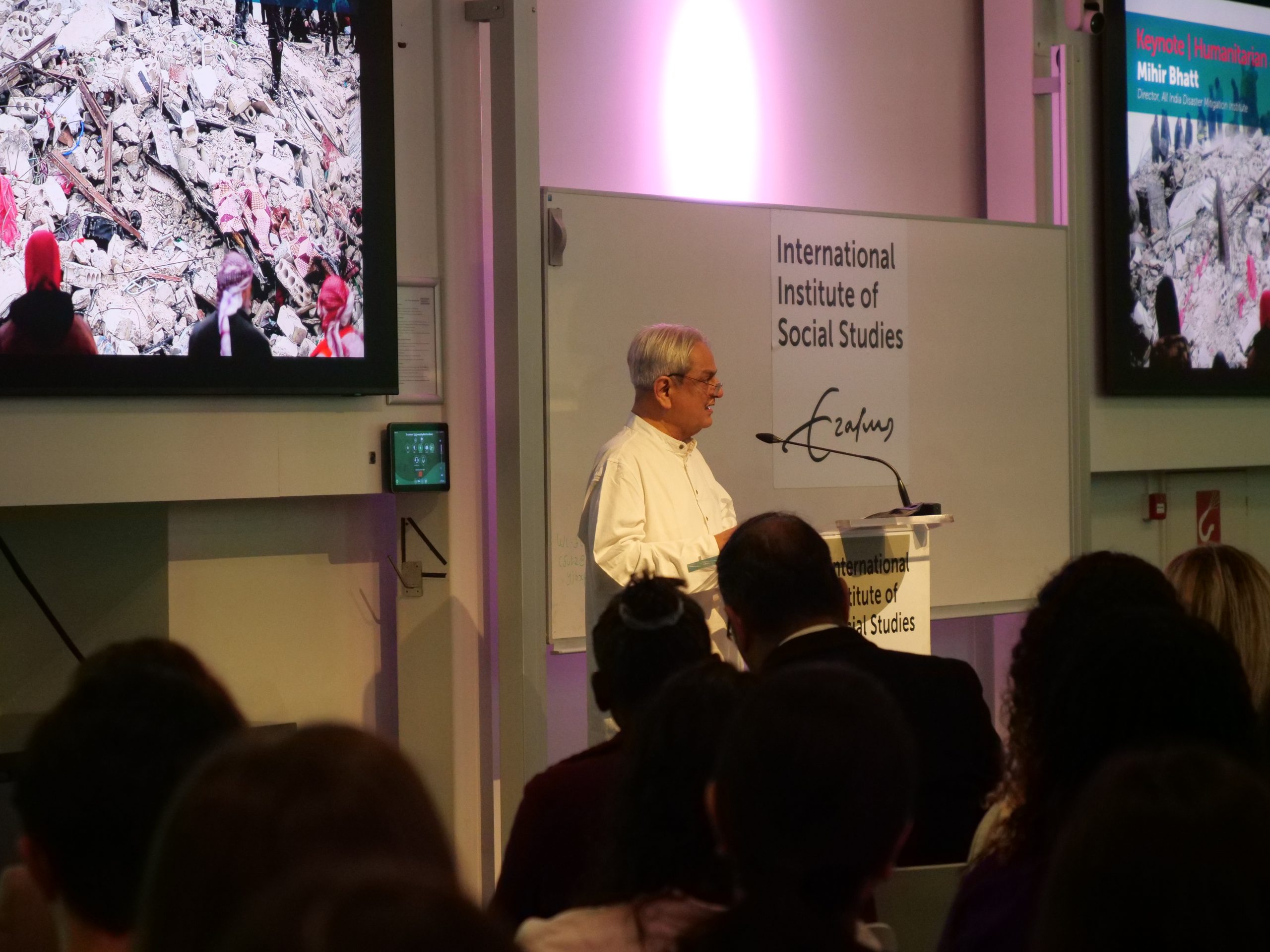
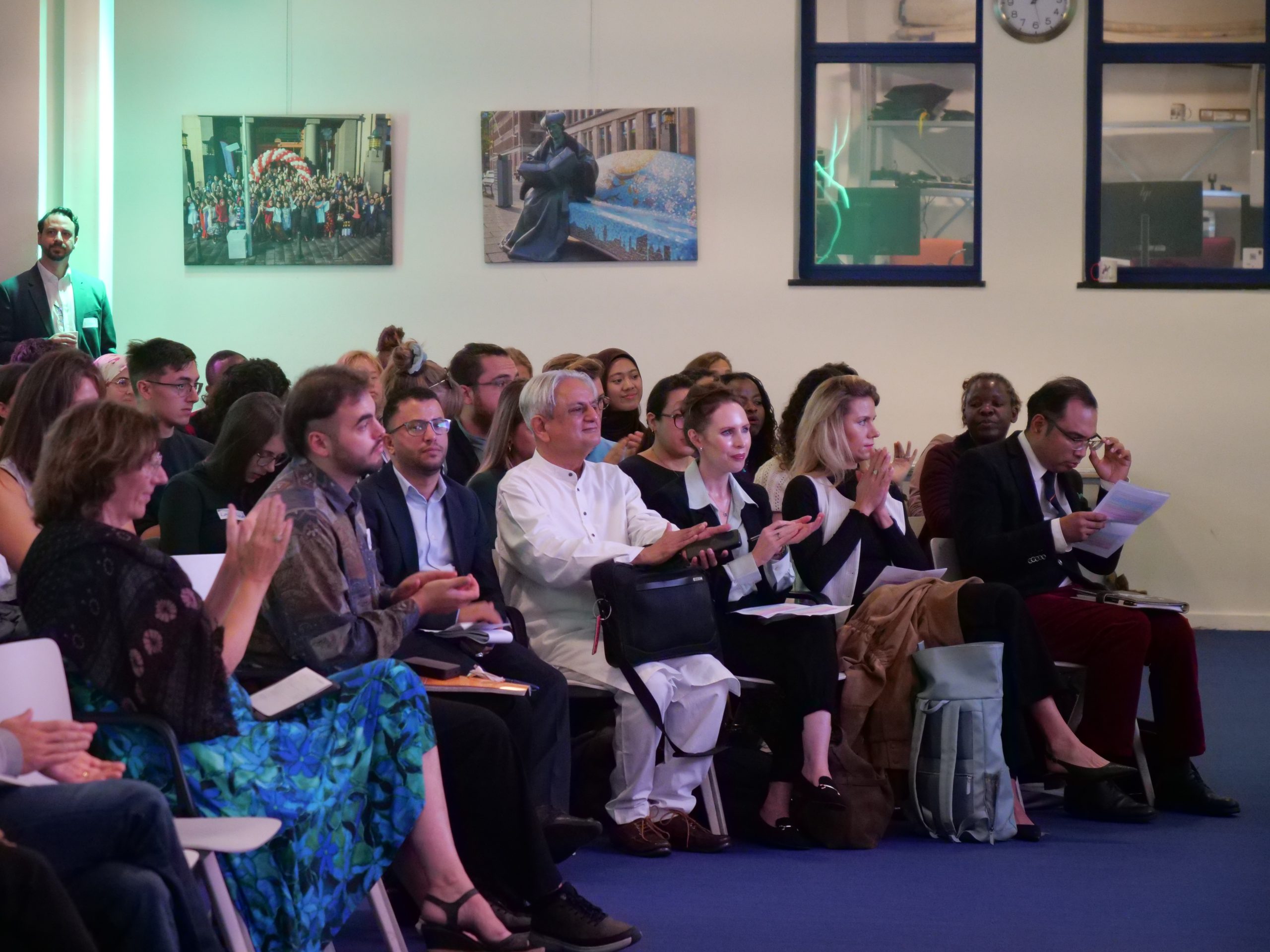
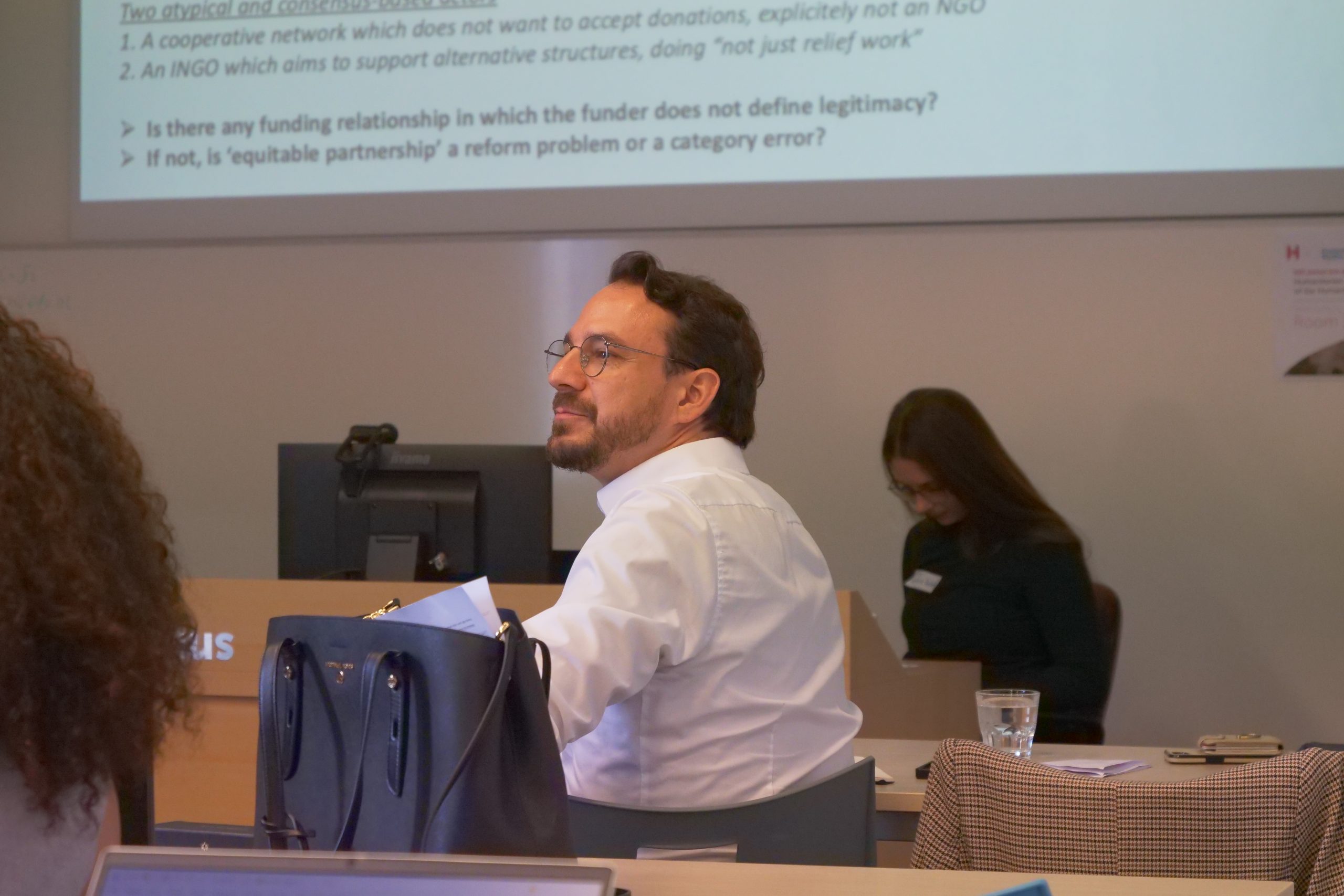
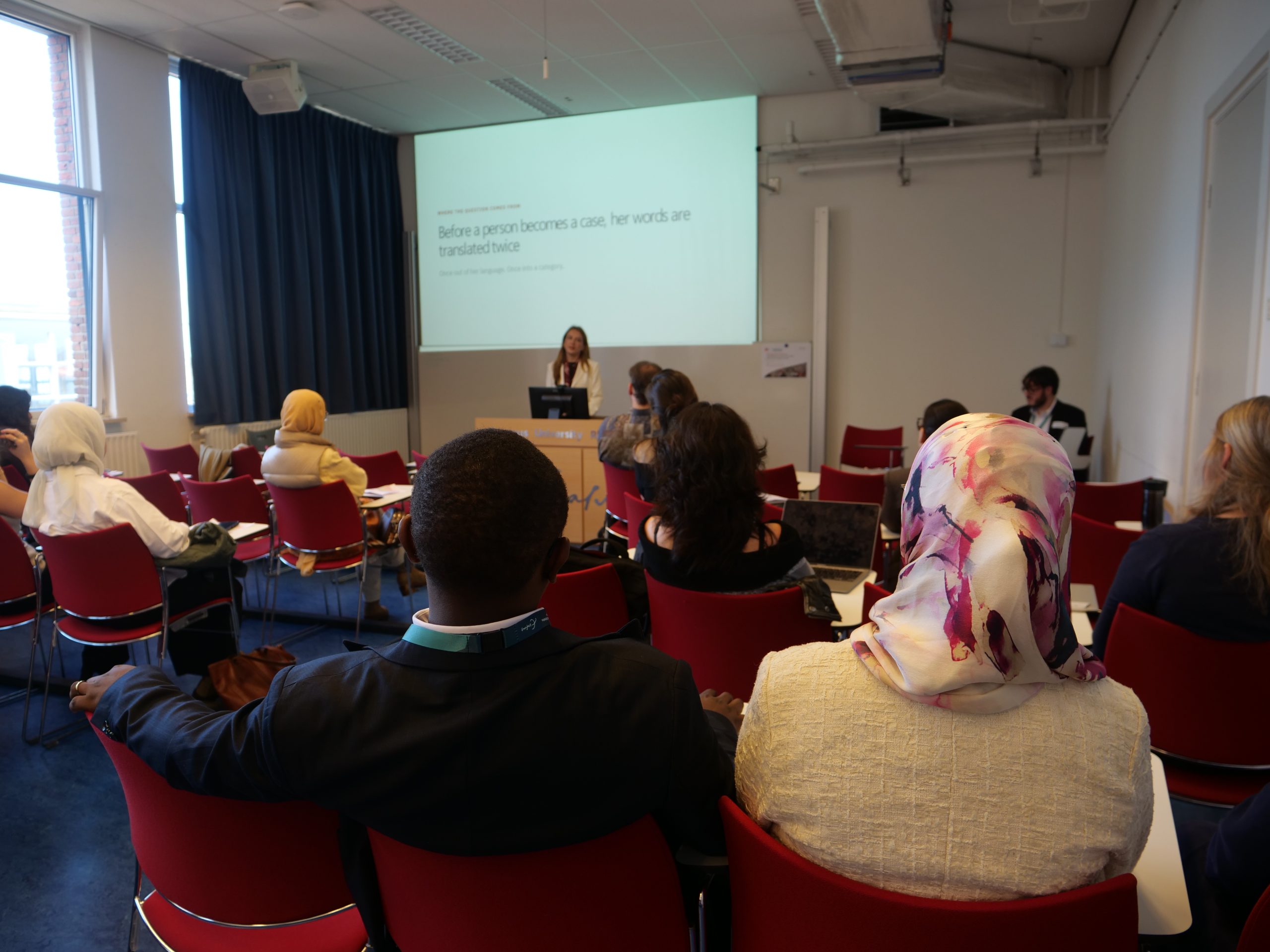
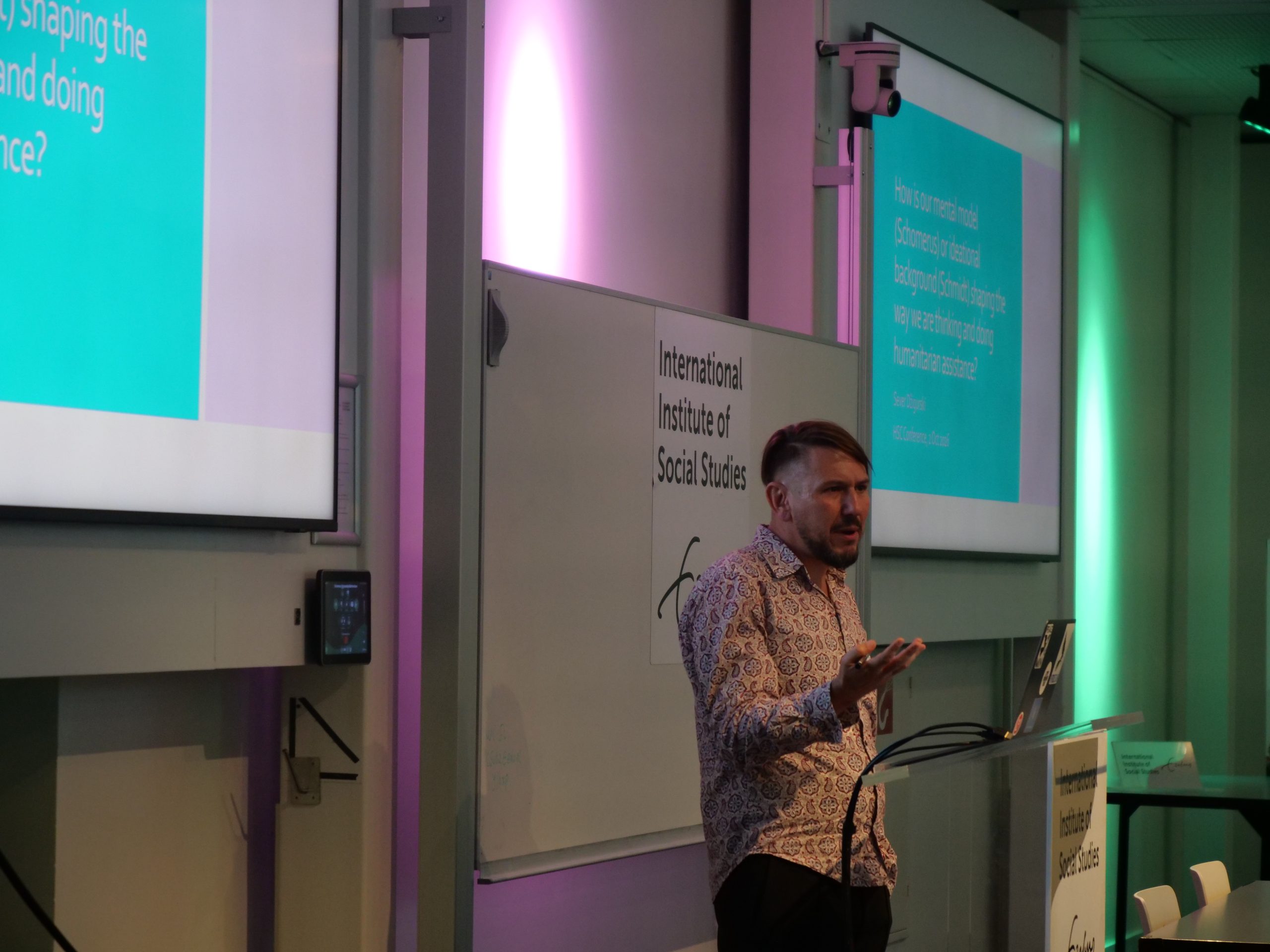
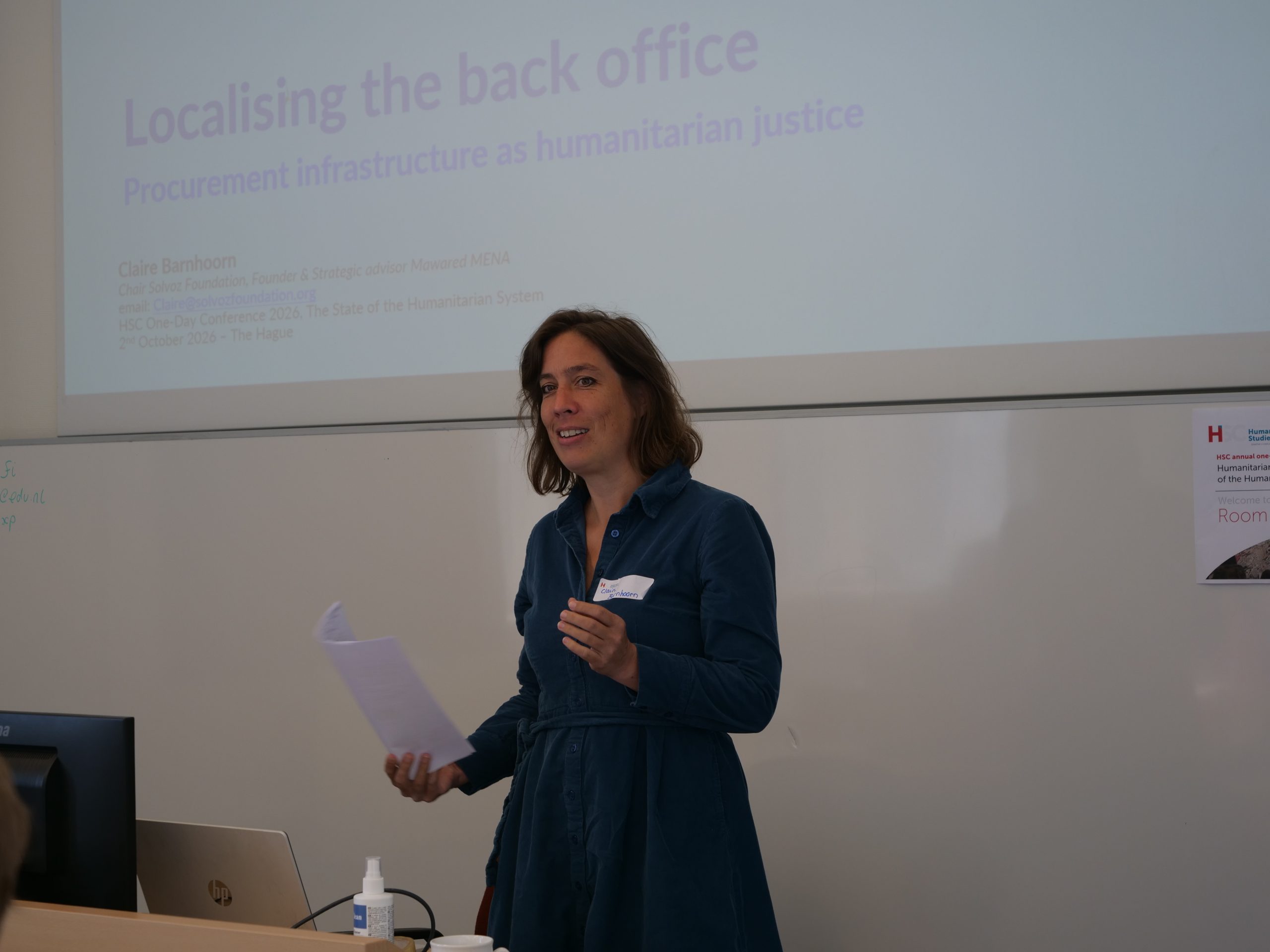
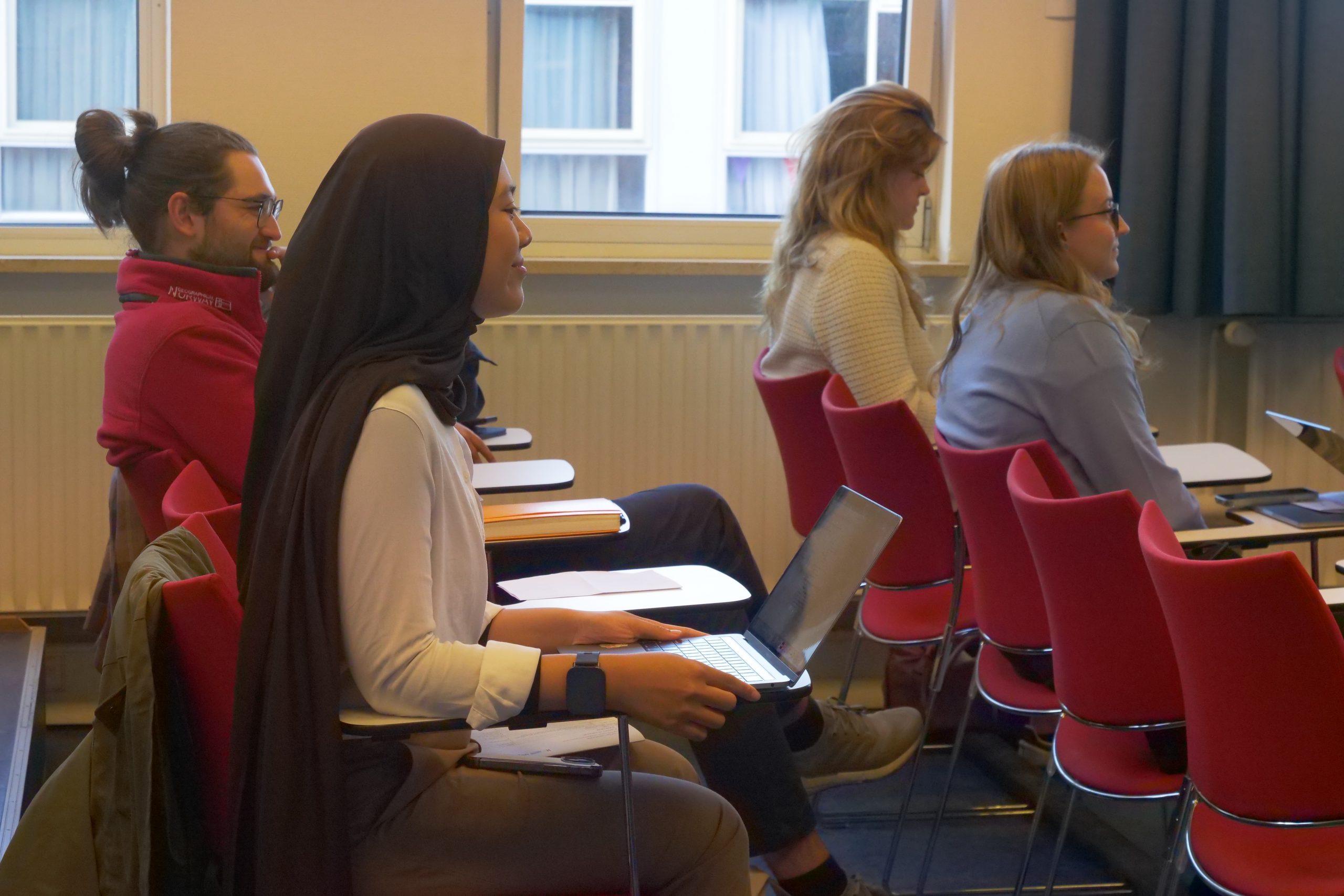
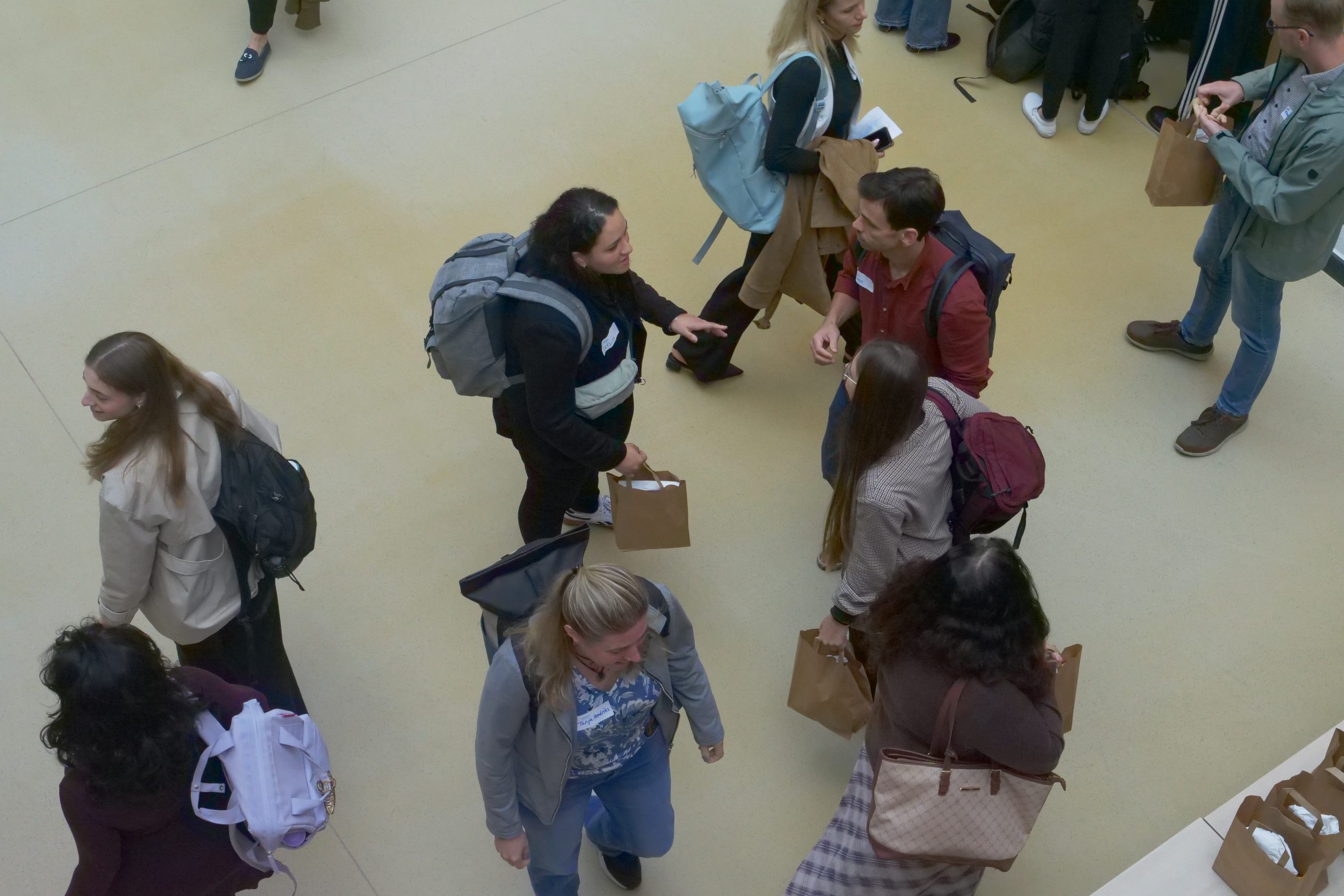
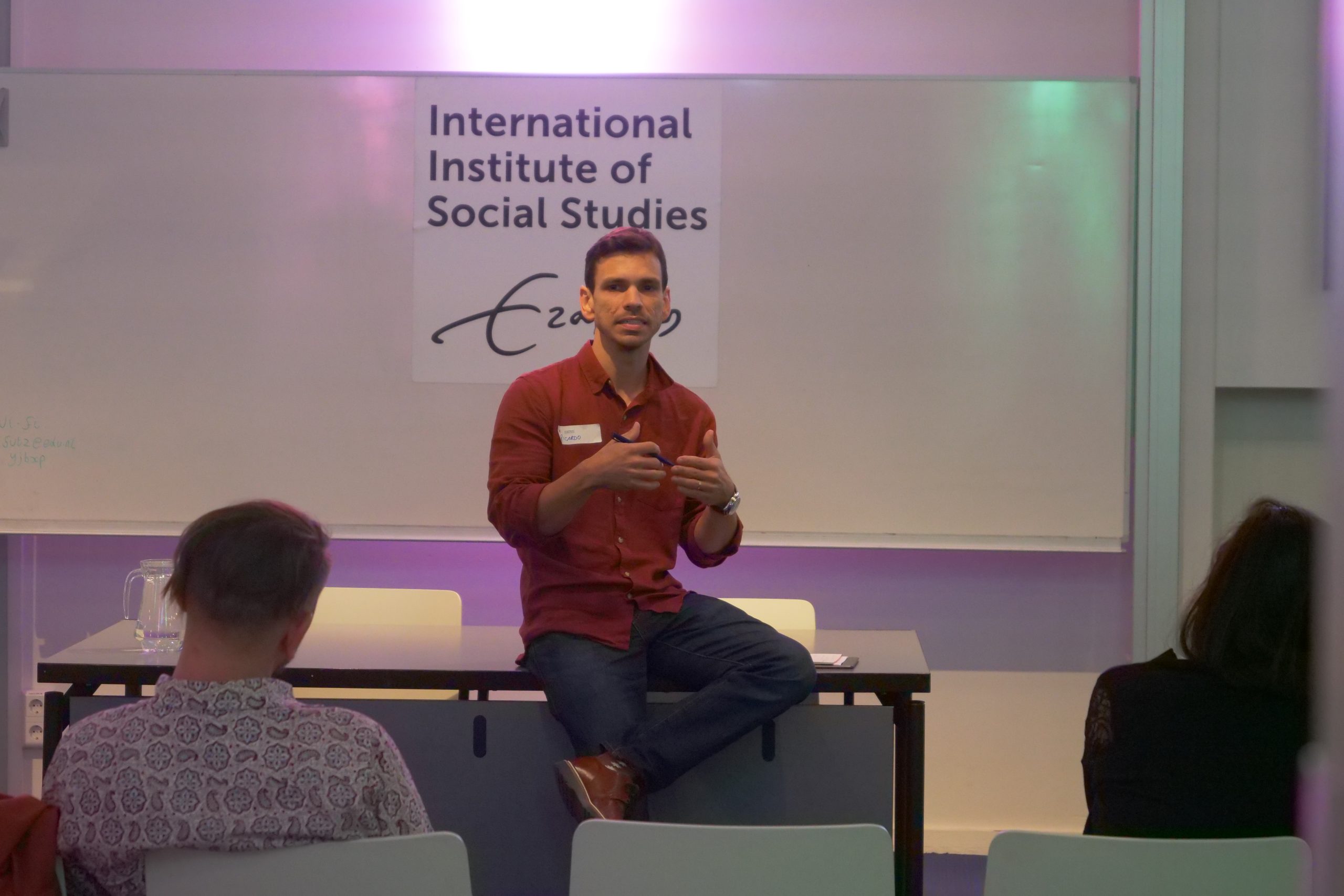
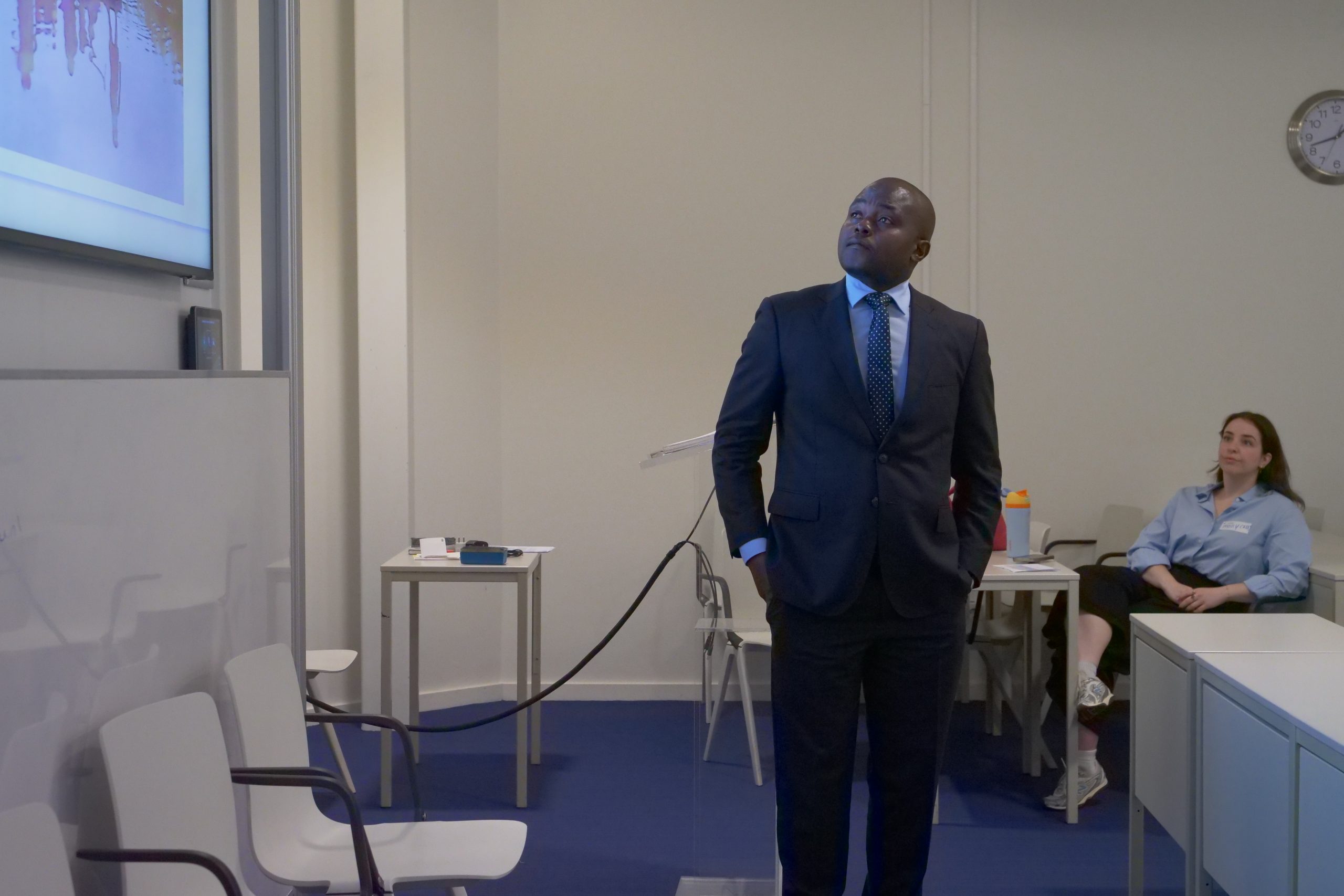
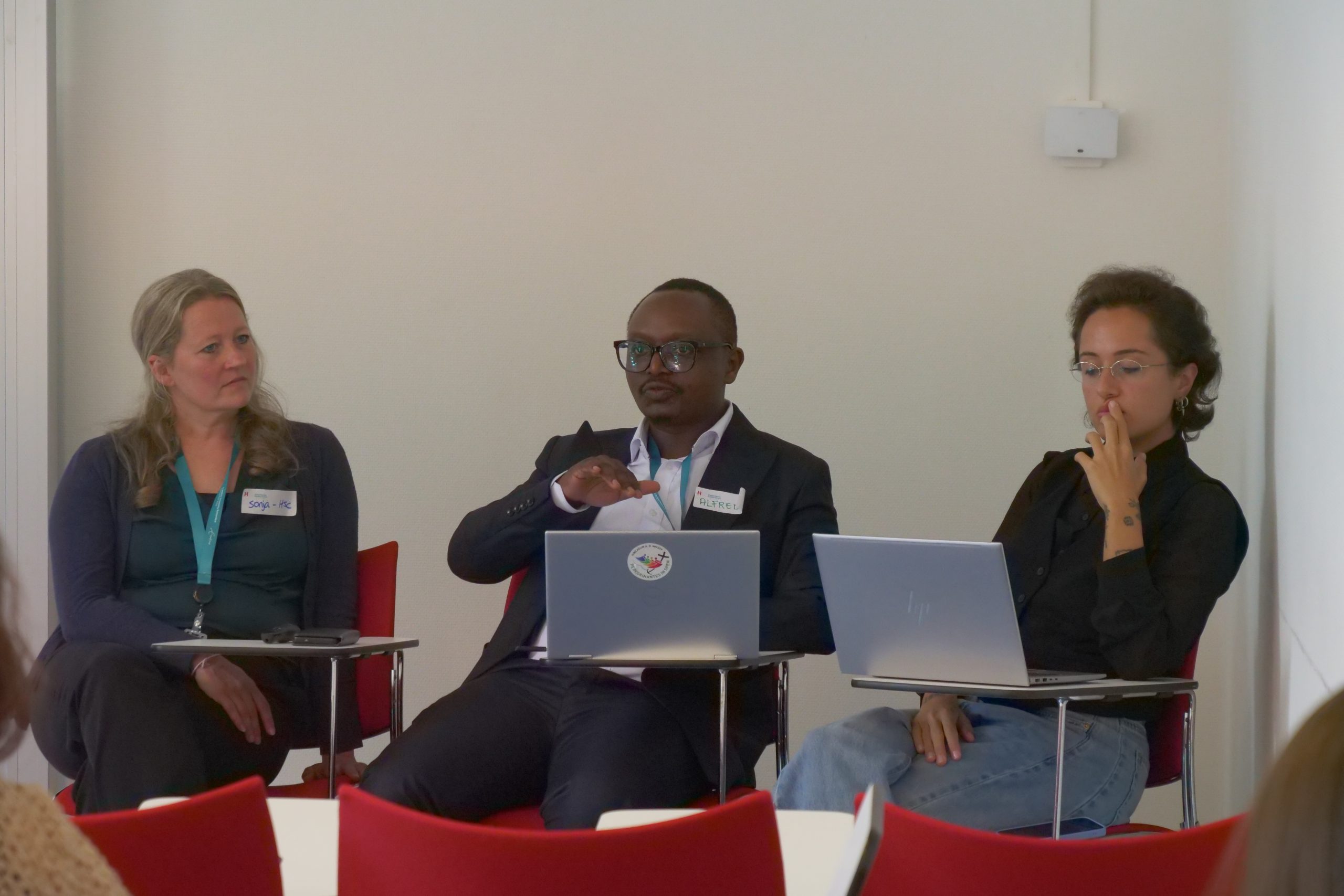
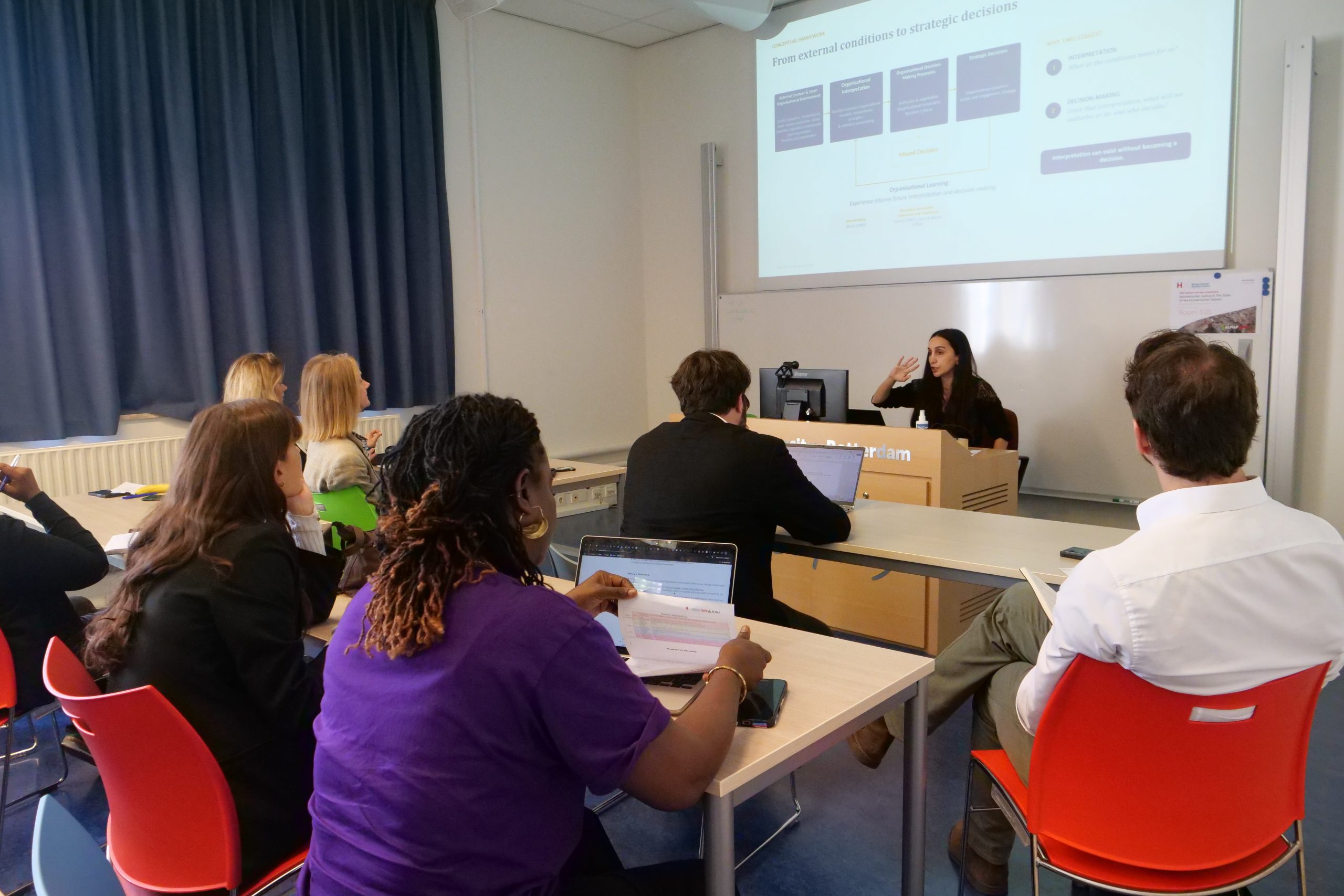
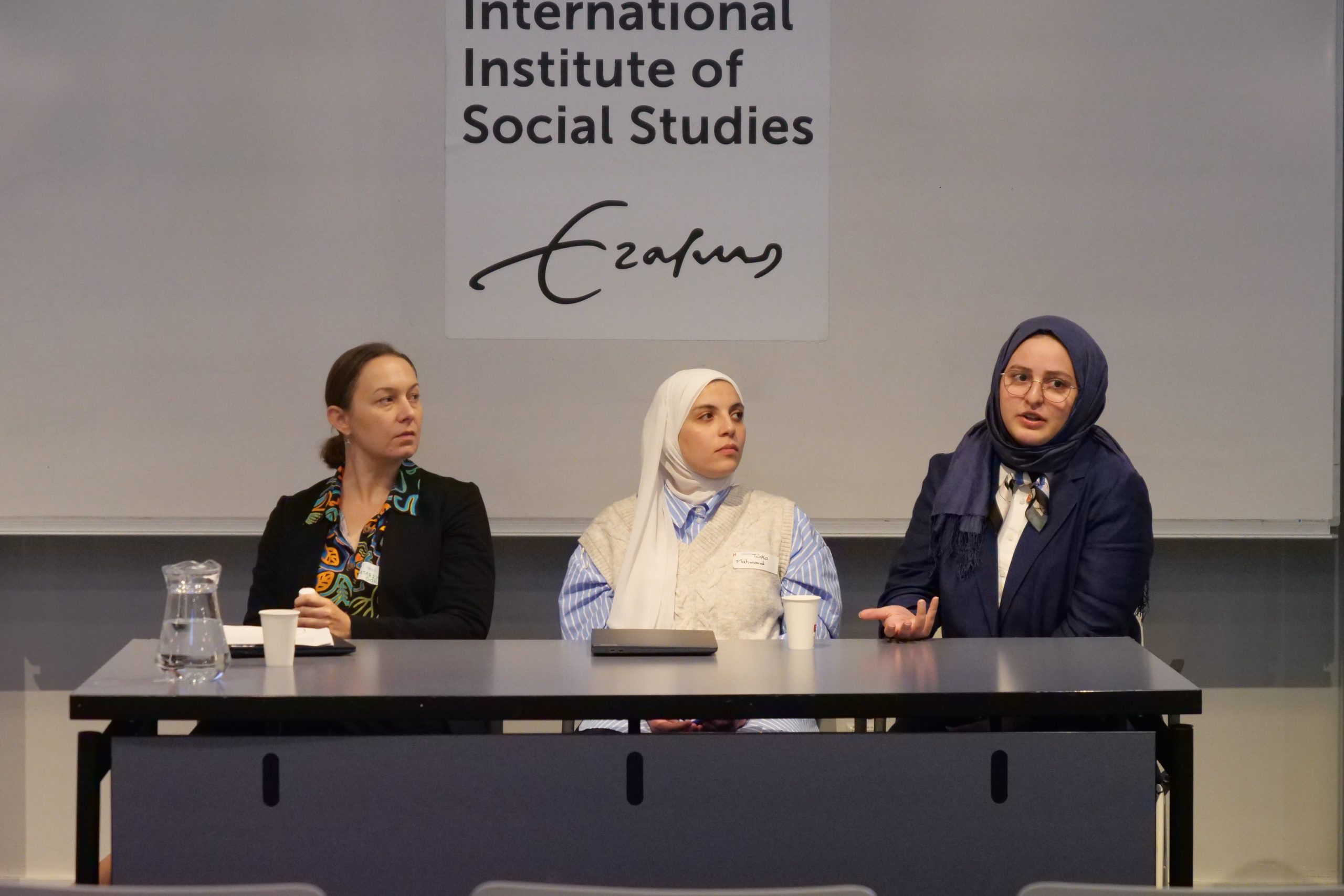
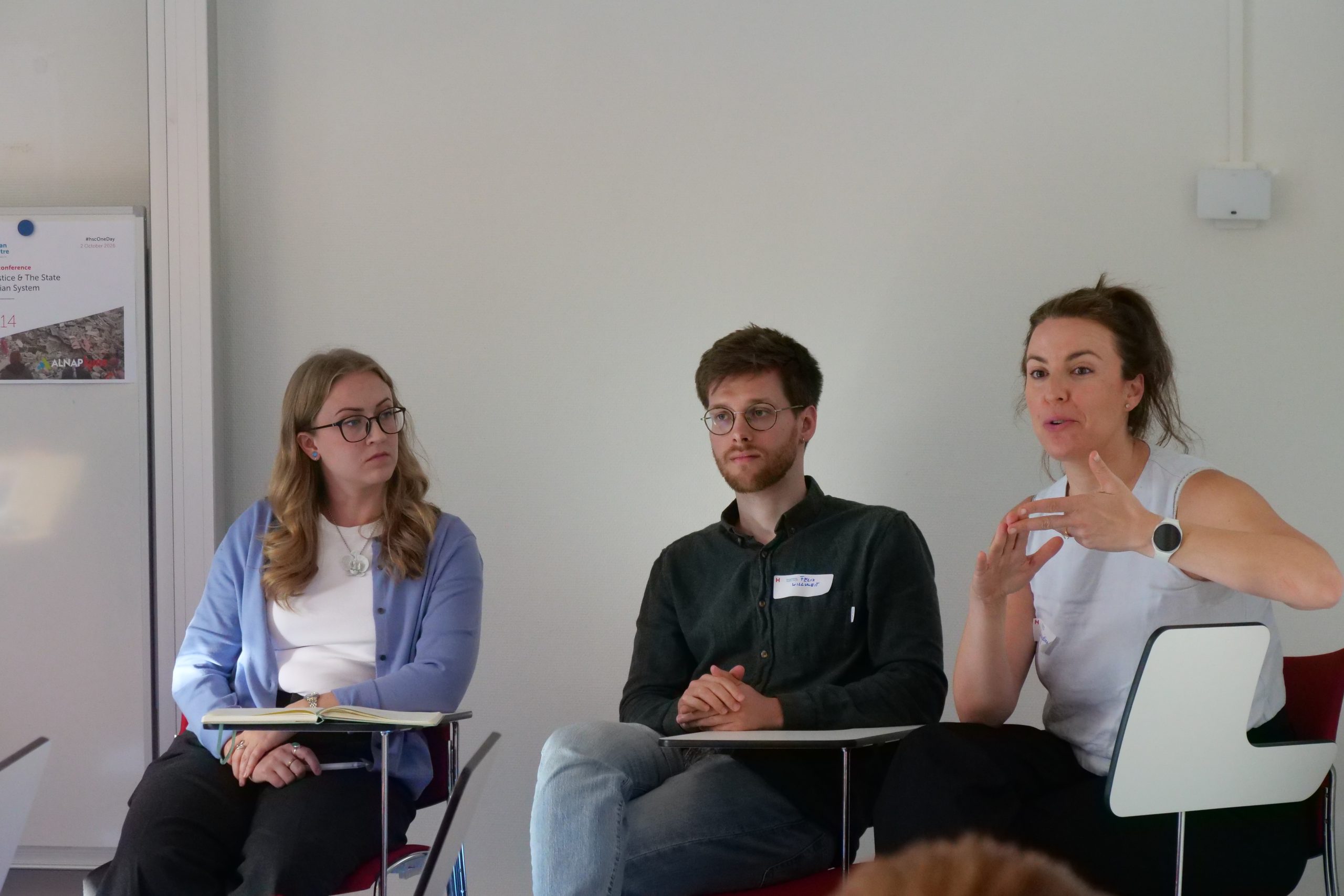
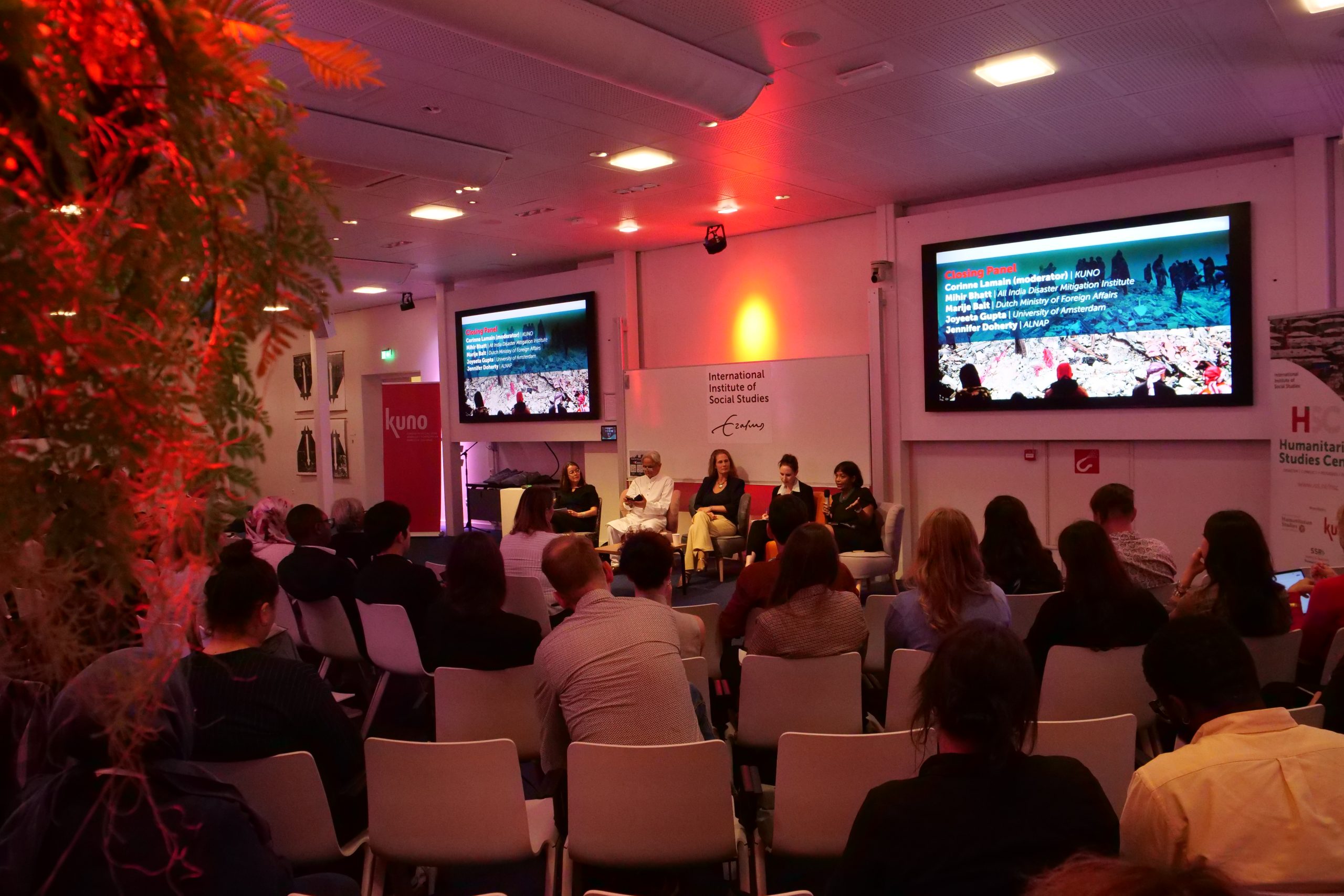
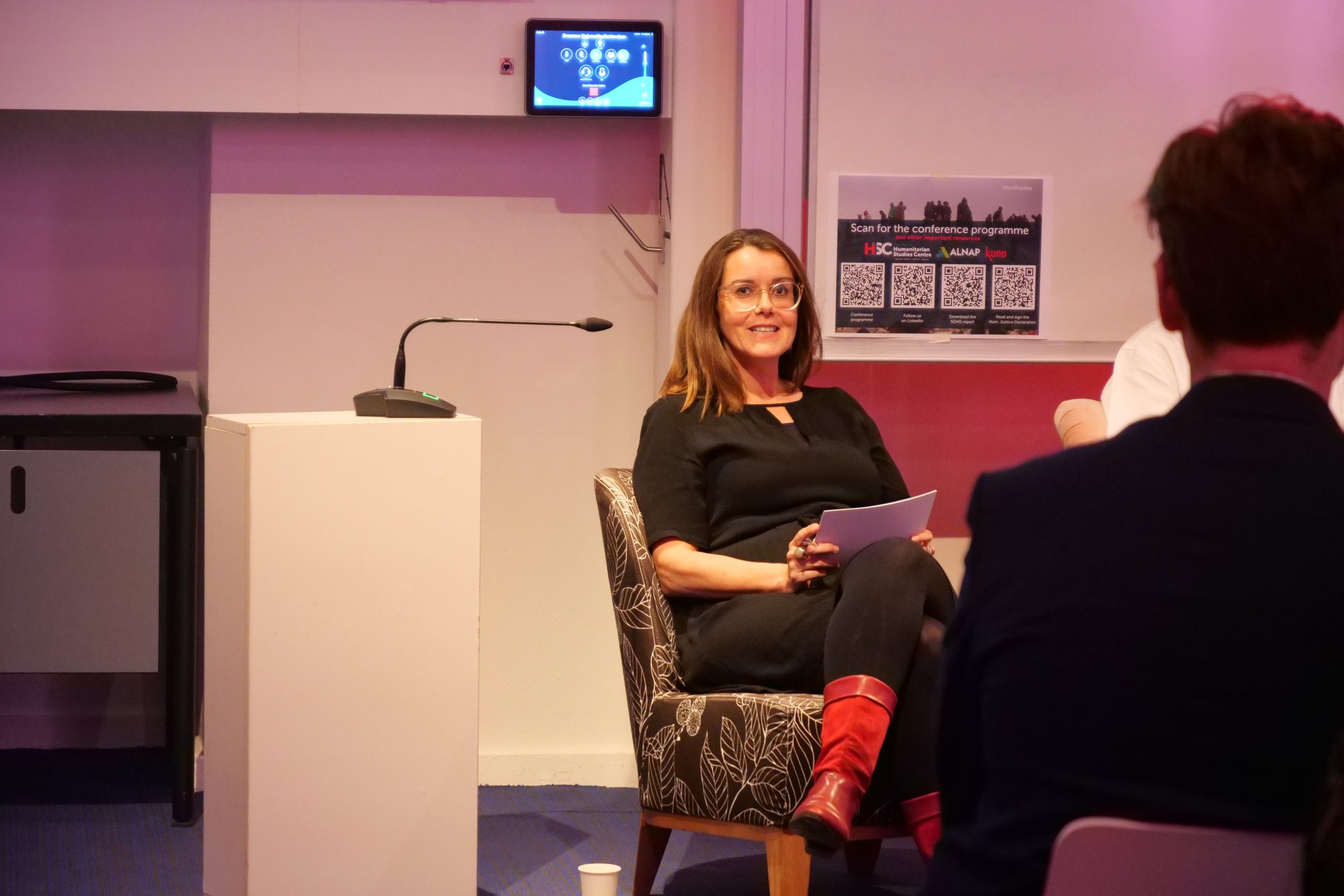
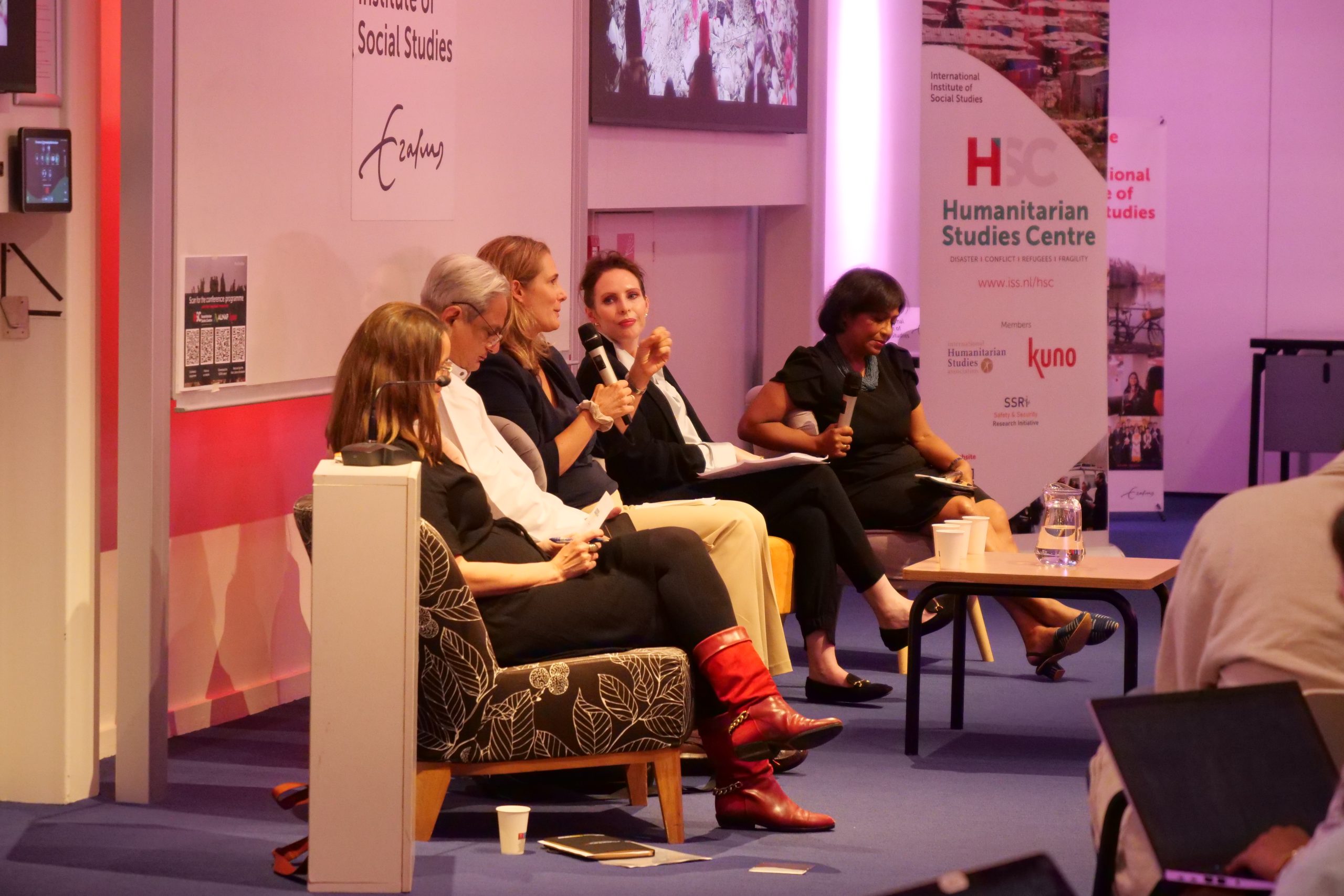
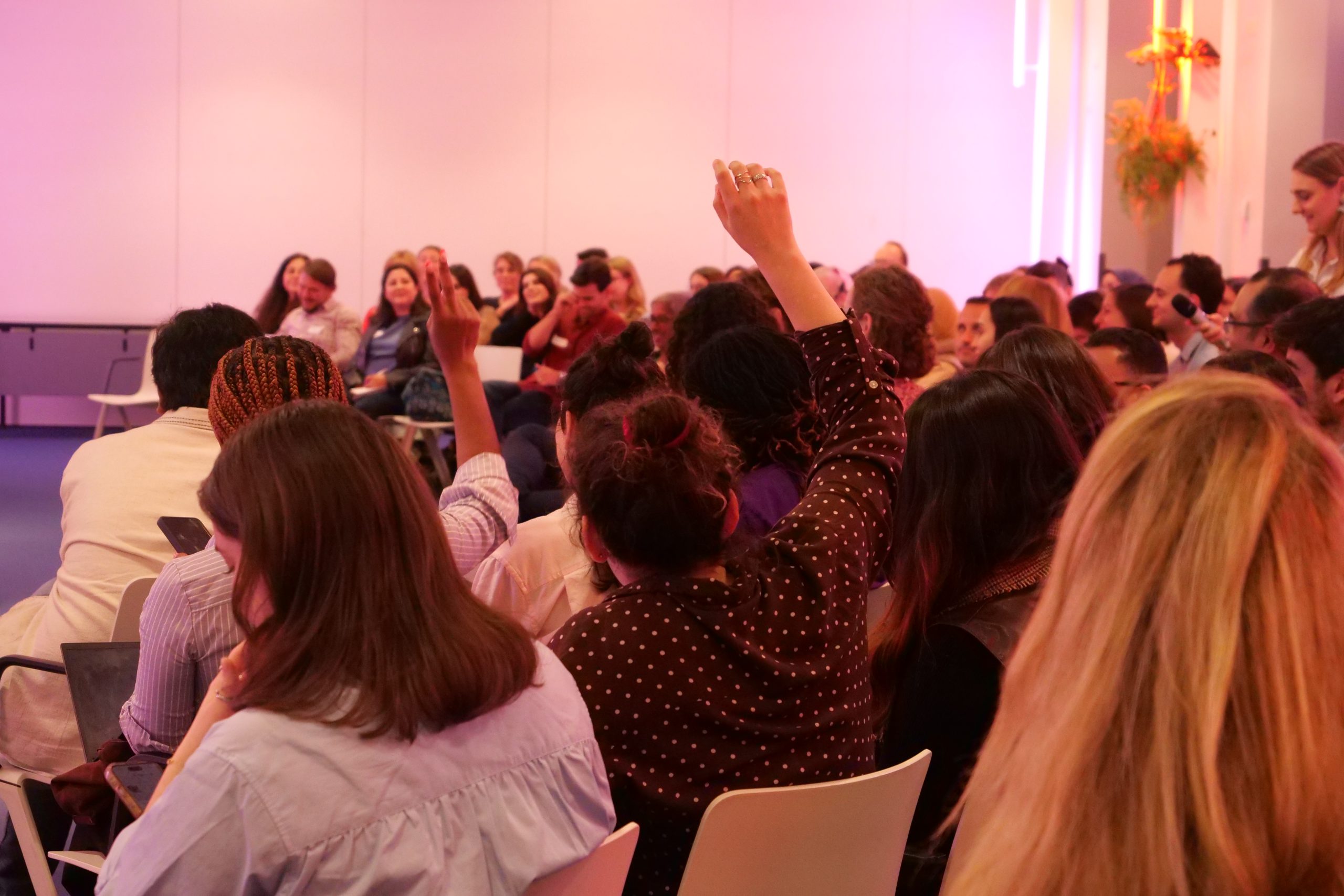
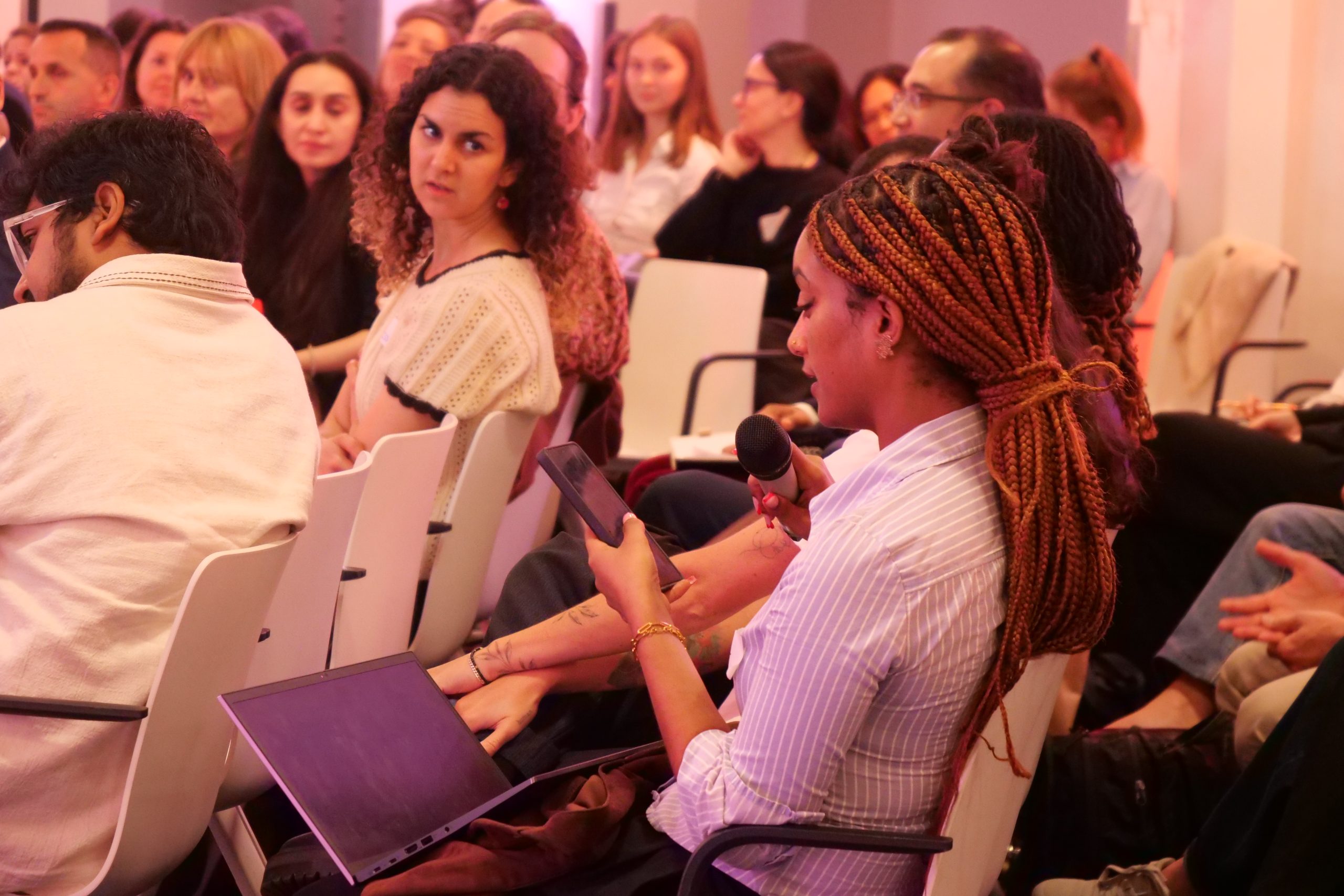
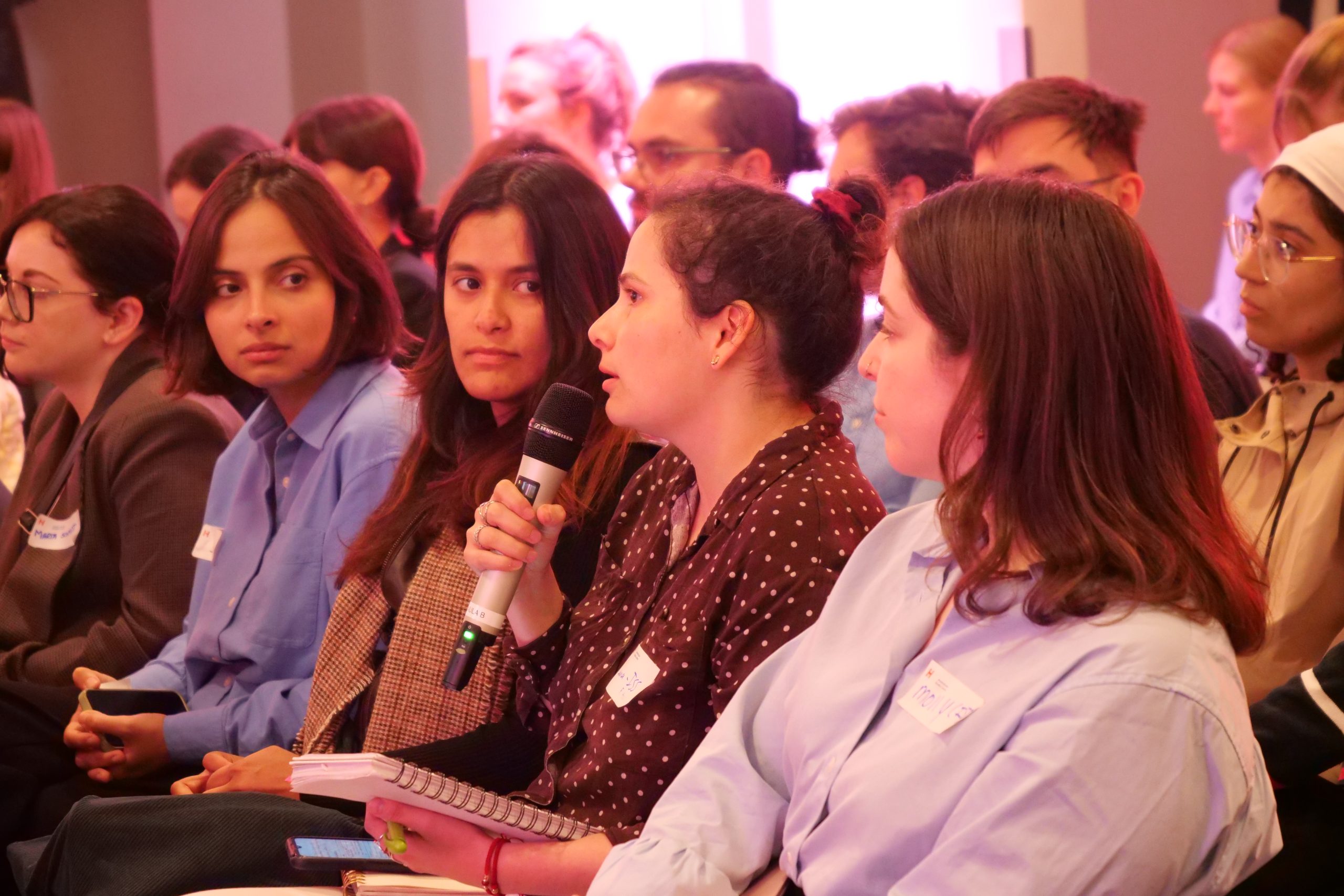
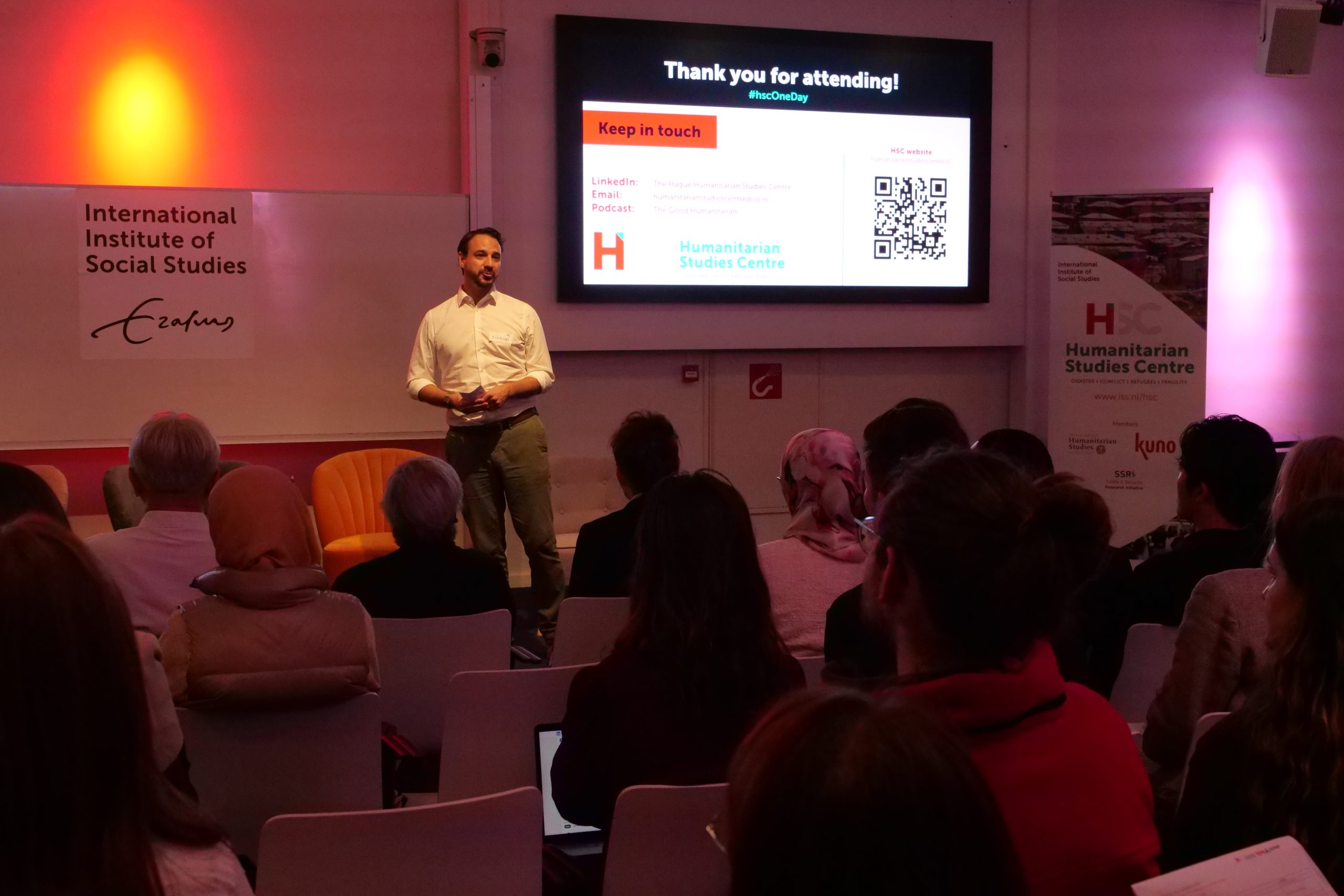
The Hague Humanitarian Studies Centre convened around 160 practitioners and researchers on Friday 2 October for the third HSC One-Day Conference, in partnership with ALNAP and KUNO: Platform for Humanitarian Knowledge Exchange in the Netherlands. The theme this year looked at ‘Humanitarian Justice & The State of the Humanitarian System’ and the conference was held again at the International Institute of Social Studies in The Hague.
As is well-documented, the global geopolitical milieu for humanitarian action in all forms is increasingly challenging. State funding for formal humanitarian action is at its lowest for decades, there is a growing disregard for International Humanitarian Law in various conflict contexts, and (poly-)crises derive from interlocking environmental hazards, socio-economic vulnerabilities and ongoing hybrid and protracted conflicts across the world.

These pressures are not only operational challenges. They bring to light issues of legitimacy, effectiveness and relevance, requiring deeper reflections around the sufficiency of current approaches and the need for alternatives. The need for alternatives specifically has been articulated in recent calls for humanitarian justice: a ‘lived need of crisis-affected people for fair, transparent, inclusive and respectful humanitarian responses that are rooted in principles of dignity, solidarity, care and shared responsibility for people, nature and the planet, and that respect International Humanitarian Law and Human Rights’.
Read the full Declaration on Humanitarian Justice
How can humanitarianism, as an expression of humanity and solidarity, continue to alleviate suffering under these circumstances? To what extent do existing humanitarian structures reproduce or mitigate injustice? In what ways do non-traditional humanitarian actors, including networks of (affected) people, work to try and reduce disaster risk?
And what role can Humanitarian Justice play as both a critique of and a pathway for transforming contemporary humanitarian action?
We took stock together and looked at the state of the humanitarian system.
Over the course of three rounds of presentation sessions, attendees heard from 37 presenters from organisations and universities including Ritsumeikan University, LSE, Leiden University, INSAMER, Integrity Consulting, Yale University and more. Following an introduction by HSC Director Professor Thea Hilhorst, the conference keynotes were delivered by Jennifer Doherty – Senior Researcher at ALNAP – who will presented on the ‘State of the Humanitarian System’ and Mihir Bhatt – Director of All India Disaster Mitigation Institute – who will presented on ‘Humanitarian Justice’.
After the keynote, we held the first round of morning presentations before heading into two more sessions in the afternoon. The whole group reconvened in the afternoon for the closing keynote panel moderated by Corinne Lamain, the coordinator of KUNO. The panel included:
- Mihir Bhatt, All India Disaster Mitigation Institute
- Marije Balt, Dutch Ministry of Foreign Affairs
- Joyeeta Gupta, University of Amsterdam
- Jennifer Doherty, ALNAP
Session 1 presentations
Blerim Mustafa, ‘IHL and Partially Recognised States’
Valentina Gonzalez, ‘Chalk Shields: Examining the Intentionality Behind Violence Against Schools, Teachers, and Students in the Colombian Armed Conflict (2020–2025)’
Dalia Saris, ‘Humanitarians under attack: the performance, construction and enactment of security in spaces of aid’
Sever Dzigurski, ‘How is our mental model (Schomerus) or ideational background (Schmidt) shaping the way we are thinking and doing humanitarian assistance?’
Ricardo Fal-Dutra Santos, ‘Feminist Humanitarianism: Echoes and silences in an emerging historiography’
Umutcan Yuksel, ‘Managed abandonment: “returning to the core” and the depoliticisation of humanitarian funding’
Gihan Abou Zeid, ‘Beyond Neutral Response: Humanitarian Justice and the Structural Impossibility of Participation Under Occupation in Gaza’
Francesca Selano, ‘Beyond Neutral Response: Humanitarian Justice and the Structural Impossibility of Participation Under Occupation in Gaza’
Claire Barnhoorn, ‘Localising the back office: Procurement infrastructure as humanitarian justice’
Büşra Efe Demirören, ‘Who Deserves Justice? Vulnerability Triage, Self-Reliance, and the Limits of Humanitarian Justice in Türkiye’s Refugee Response’
Andrew Hastings, ‘Solidarity Presence in the West Bank’
Session 2 presentations
Sondos Derbani, ‘The Ordinary Production of Climate Vulnerability: A Socio-Spatial Perspective on Construction Sites in Morocco’
Chimwemwe Salie Hara, ‘Reflecting Disaster Risk Reduction and Climate Change Adaptation in Malawi, Sub-Saharan Africa: The Role of Internal and External Actors in Climate Resilience’
Kaira Cañete, ‘Beyond a ‘Reset’: Grounding Change in Humanitarian Justice’
Maja Janmyr, ‘Archival Infrastructures as Humanitarian Justice’
Irfan Tatli, ‘Recognition without Protection? Sudan’s Emergency Response Rooms and the Limits of Localisation in Advancing Humanitarian Justice’
Laura-Alina Fabich, ‘Autonomous cooperative networks’ mutual aid response in collaboration with an INGO – Localisation or Co-optation? – Insights from recent fieldwork during the Venezuelan earthquakes in June 2026′
Chiara Anfuso, ‘Sleepwalking into digital harm? What the World Food Programme breach reveals about the state of humanitarian justice’
Carina van de Wetering, ‘The struggle for humanitarian justice abroad under the second Trump administration’
Jasmin Diab, ‘Who Gets to Decide When Refugeehood Ends? Gender, Humanitarian Justice, and Uneven Futures of Return After Assad’
Alfred Mukengere, ‘Choosing, Claiming, and Settling: Grassroots Climate Adaptation and Humanitarian Justice among IDPs in Kalehe’
Sonja Fransen, ‘Humanitarian Reset or Humanitarian Reversal? Aid budget cuts and localisation in refugee responses’
Leticia De Mello, ‘Narrating Humanitarianism: Fraternity, Coloniality, and Competing Moralities in Brazil’
Sonia Chabane, ‘Integrating environmental considerations within humanitarian operations: “doing no (environmental) harm”’
Noa Shibata, ‘Consensus Building in the Use of Condominiums as Evacuation Shelters: A Comparative Study of Japan and the Netherlands’
Session 3 presentations
Toka Mahmoud, ‘An Emerging Research Concept on Children, Contaminated Water Landscapes, and Humanitarian Contexts’
Yusra Ak & Sude Tamer, ‘Strengthening Social Cohesion for Syrian Refugees in Türkiye After the War in Syria’
Katarzyna Gorka, ‘Beyond Categories: Indigenous Displacement and the Limits of the Humanitarian System’
Faryaneh Fadaeiresketi, ‘Beyond Security and Access: Decision-Making in International Humanitarian Organisations during the 2023 War in Sudan’
Magdalena Strozik, ‘From Policy to Practice? Analysis of the Humanitarian Reset’s “Devolve” Pillar through Syria’s Unified Pooled Funding Merger.’
Lisa Peterson, ‘Just Transitions & Locally-Led Networks’
Felix Willuweit, ‘Calculated Risk: The Social Life of Humanitarian Security Data’
Jacqueline Talevska, ‘Who Gets to Rebuild? A Practitioner-led Hands-on Crisis Simulation on Rebuilding through Localisation and Non-Traditional Actors’
Annelies Herms, ‘Peace by Proxy: Exploring the Reliance on Private Military Companies in Peacekeeping and Humanitarianism in Somalia’
Ruta Sevrukaite, ‘Beyond Extraction: Co-Producing Humanitarian Mental Health Research as an Act of Humanitarian Justice’
Elena Volbracht, ‘Networking and navigation: Local agency in response to the localization agenda in Pakistan’
Taofeek Buraimo, ‘When the Response Becomes the Target: Healthcare Under Deliberate Attack in Protracted Armed Conflicts (2020–2025)’
Thank you to everyone who attended and presented at this year’s conference!!
Stay up to date



Contact
humanitarianstudiescentre@iss.nl
Visit the HSC
Based at the International Institute of Social Studies
Kortenaerkade 12
2518 AX The Hague
The Netherlands
Quick links
blank>